Column · @emilianojqig654
Top Signs That Point to Deteriorating Fascia and Eaves
Your fascia boards and eaves are among the hardest-working parts of your roofline, yet they rarely get a second glance until something goes wrong. In Ballina, where the Northern Rivers climate delivers high humidity, heavy summer rainfall, salt-laden coastal air and intense UV, these components face more punishment than in many other parts of Australia. Spotting the early warning signs can save you from costly structural repairs, pest infestations and water damage inside your home.
What Are Fascia and Eaves, and Why Do They Matter?
The fascia is the horizontal board that runs along the edge of your roof, usually where the gutters attach. It caps the ends of the rafters, supports the guttering and forms a barrier against moisture and pests. The eaves are the parts of the roof that overhang the external walls, and the underside of that overhang is called the soffit (often a sheet of fibre cement, timber or vented panelling).
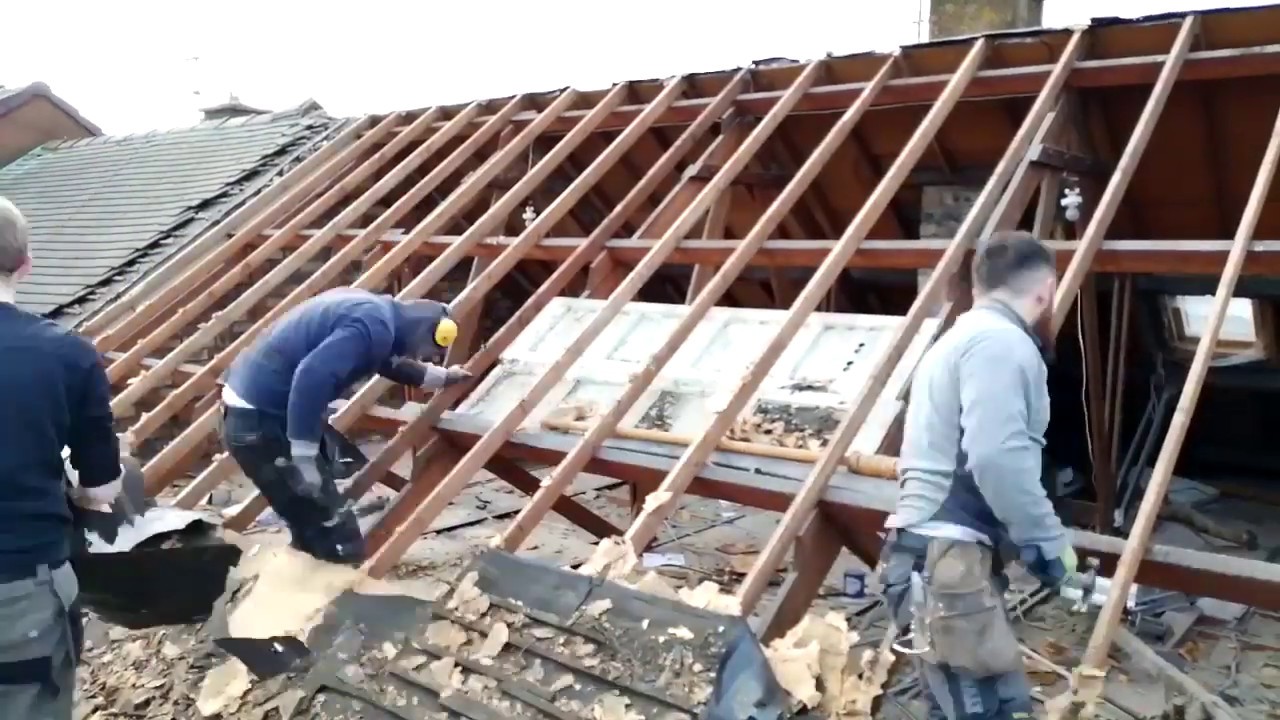
Together, these elements protect your walls from rain, allow roof space ventilation, and keep birds, possums, rodents and insects out of your roof cavity. When they begin to fail, the problems rarely stay confined to the roofline.
Why Ballina Homes Are Particularly Vulnerable
Ballina's subtropical coastal environment creates a perfect storm for roofline deterioration:
- High humidity: Constant moisture in the air encourages rot, mould and fungal growth in timber.
- Heavy rain events: Intense downpours, particularly during the wetter months, overwhelm blocked or sagging gutters and soak fascia boards.
- Salt air: Homes close to the coast, river or Richmond River estuary often experience accelerated corrosion of metal fixings and flashings.
- Strong UV exposure: Sunlight breaks down paint and sealants, leaving timber exposed.
- Termites: Northern NSW is a high-risk termite region, and damp, decaying timber is an open invitation.
Top Signs of Deteriorating Fascia and Eaves
1. Peeling, Flaking or Bubbling Paint
Paint failure is often the first visible symptom. If paint is blistering, cracking or peeling in sections along the fascia or eaves, moisture is likely getting behind the surface. While this can sometimes be a cosmetic issue caused by age and UV, persistent peeling in the same spots often indicates trapped moisture and the beginning of rot.
2. Soft, Spongy or Crumbling Timber
Press a screwdriver or your finger firmly against the fascia board, particularly near joins, corners and the lower edge. If the timber feels soft, spongy or crumbles, wood rot has set in. Healthy timber should feel https://daltonmqmy801.oakmontscope.com/posts/why-gutter-pitch-matters-for-heavy-northern-rivers-downpours firm and resist pressure. Rot generally spreads, so a small soft patch can signal more widespread decay behind the paint.
3. Cracks, Splits and Warping
Repeated wetting and drying cycles cause timber to swell and shrink, leading to cracks, splits and warped boards. Look for boards that are bowing outward, lifting away from the rafters, or showing gaps at the joins. Warped fascia can also pull gutters out of alignment, creating further drainage problems.
4. Sagging or Detached Gutters
Gutters are fixed to the fascia, so if the fascia weakens, the gutters will often sag, pull away or leak at the joins. If you notice gutters dipping in the middle, pooling water, or separating from the roofline, check the fascia behind them. The problem may not be the gutter itself but the failing board it is attached to.
5. Water Stains and Streaking on Eaves or Walls
Brown stains, dark streaks or discolouration on the soffit or on the external wall beneath the eaves indicate that water is getting where it shouldn't. Sagging or bubbling soffit sheeting is another red flag, as is staining that appears after rain. Left unchecked, this moisture can travel into wall cavities and ceilings.
6. Mould, Mildew and Algae Growth
In Ballina's humid conditions, a little surface mould is common, but heavy or recurring growth on fascia and eaves suggests a persistent moisture problem. Black spotting, green algae and a musty smell can signal poor ventilation, blocked gutters or damaged boards that are staying damp for extended periods.
7. Gaps, Holes and Evidence of Pests
Gaps between the fascia and roof, holes in the soffit, or droppings and nesting material around the roofline show that pests may be entering your roof space. Possums, rats, birds, wasps and bees often exploit weak points in deteriorating eaves. Mud tubes or hollow-sounding timber may also point to termite activity, which should be inspected by a licensed pest professional promptly.
8. Rusting or Loose Fixings
Corroded nails, screws and brackets are common in coastal areas. Rust stains running down the fascia, popped nail heads, or loose gutter brackets suggest that the structure holding your roofline together is weakening. Salt air accelerates this process, so homes near the water should be inspected more regularly.
9. Light Visible Through the Roofline
If you can see daylight through gaps in the eaves from inside the roof space, or notice gaps where the soffit meets the wall, the roofline is no longer sealed. This allows wind-driven rain, insects and embers (a serious consideration in bushfire-prone areas) to enter the roof cavity.
10. Interior Signs: Ceiling Stains and Damp Patches
Sometimes the first clue appears inside. Water stains on ceilings near external walls, peeling paint on internal cornices, or a persistent damp smell may indicate water is entering through damaged fascia and eaves and tracking into the building structure.
How to Inspect Your Fascia and Eaves Safely
A basic visual check can be done from the ground, but safety should always come first. Working at height is a leading cause of serious injury in home maintenance, so avoid climbing ladders onto the roof or leaning out over edges.
- Walk around the entire house and look up at the roofline in good daylight, ideally with binoculars for a closer view.
- Check for peeling paint, sagging gutters, stains, gaps and visible rot.
- Inspect after heavy rain, when leaks and overflowing gutters are most obvious.
- Look inside your roof space (if safely accessible) for daylight, damp timber, or signs of pests.
- Photograph any concerns so you can compare over time or show a tradesperson.
What Causes Fascia and Eaves to Deteriorate?
Understanding the causes helps you prevent repeat problems. The most common culprits include:
- Blocked gutters causing overflow onto the fascia, a particular problem when leaves and debris build up
- Poorly sealed joins or inadequate paint protection
- Age of materials, especially older untreated timber
- Termite and borer damage
- Poor roof ventilation leading to trapped condensation
- Storm damage and strong winds lifting or loosening boards
Repair or Replace? Making the Right Decision
Minor surface damage, such as small areas of peeling paint or hairline cracks, can often be fixed by sanding, treating, filling and repainting. However, if rot is extensive, boards are warped, or pests have compromised the timber, replacement is usually the better option. Patching badly decayed boards is a short-term fix that often leads to higher costs later.
When replacing, consider modern alternatives to traditional timber. Options such as aluminium, steel, PVC and fibre cement are popular in coastal regions because they resist rot, termites and moisture. Each has pros and cons relating to cost, appearance, and compatibility with your gutter system, so it's worth discussing the best fit for your home's style and location.
Special Considerations for Older Homes
Many older homes in the Ballina area, including pre-1990s properties, may contain asbestos-cement sheeting in eaves or soffits. Asbestos was widely used in Australian building materials until it was banned nationally in 2003. If your home was built or renovated before then, do not drill, cut, sand or break eaves sheeting. Have suspect materials tested and removed by a licensed professional in line with NSW regulations. SafeWork NSW provides guidance on asbestos handling, and licensed removalists must be used for larger quantities.
Bushfire and Building Considerations
Some parts of the Ballina Shire are mapped as bushfire-prone. In these areas, the condition and construction of eaves and roof vents can affect how well a home withstands ember attack. Gaps in deteriorating eaves provide ember entry points, so keeping the roofline sealed and in good condition is part of overall property protection. Replacement work may need to comply with the Building Code of Australia and, in some cases, relevant bushfire construction standards, so check requirements with a qualified builder or your local council.
Preventative Maintenance Tips
Regular upkeep is far cheaper than major repairs. A few habits make a significant difference:

- Clean gutters at least twice a year, and more often if trees overhang your roof.
- Repaint exposed timber every 7 to 10 years, using quality exterior paint suitable for coastal conditions.
- Seal gaps and joins with appropriate exterior-grade sealant.
- Trim overhanging branches to reduce debris, moisture and pest access.
- Schedule an annual roofline inspection, ideally before the wetter months.
- Arrange regular termite inspections, as recommended under Australian Standards.
When to Call a Professional
You should contact a qualified carpenter, roofer or roofline specialist if you notice widespread rot, structural sagging, pest activity, suspected asbestos, or any damage that requires working at height. Professionals can assess the full extent of the damage, identify underlying causes such as faulty guttering or ventilation, and complete repairs safely and to code. Always check that the tradesperson holds a current NSW licence, carries public liability insurance, and provides a written quote.
The Cost of Ignoring the Warning Signs
Delaying repairs can turn a manageable job into a major one. Rotting fascia can compromise rafter ends, damaged eaves can allow water into wall frames and ceiling insulation, and pest infestations can spread throughout the roof cavity. Water ingress may also lead to mould, which can affect indoor air quality and health. Addressing issues early generally protects your home's value, safety and comfort while keeping repair costs under control.
Final Thoughts
Deteriorating fascia and eaves rarely fix themselves, and Ballina's humid, salty and rain-prone environment tends to speed up the damage. By watching for peeling paint, soft timber, sagging gutters, stains, mould, pests and rusted fixings, you can catch problems before they escalate. Combine regular visual checks with routine gutter cleaning and timely professional inspections, and your roofline will keep protecting your home for many years to come.
Ballina Roof Restoration & Repair